As of February 2026 this project has concluded
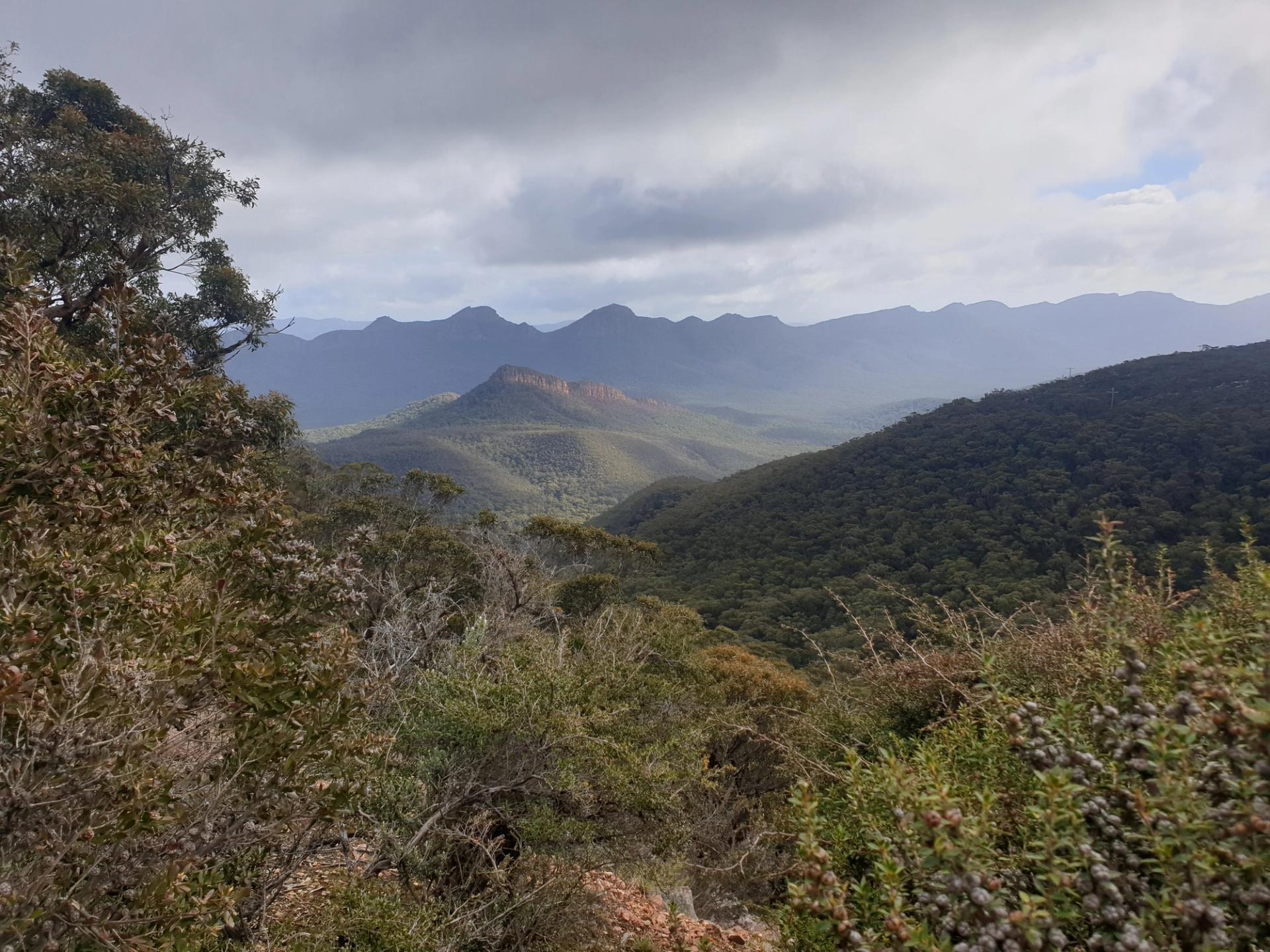
The Grampians National Park is a crown jewel of Victoria's natural heritage, containing one third of our state’s plant diversity. It is also fully encircled by highly productive agricultural land. This puts its at risk from invasive species from all sides.
This project has brought together Landcare, government, private landholders, and community in a comprehensive, collaborative effort to protect the Grampians National Park.

The site
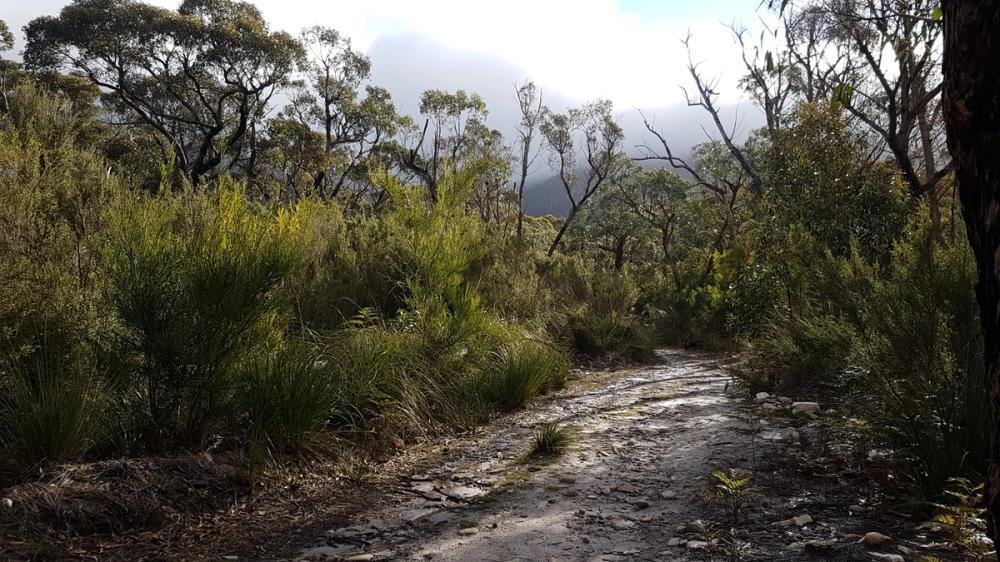
Grampians National Park, located in Victoria, Australia, is a stunning natural reserve renowned for its rugged mountain ranges, diverse flora and fauna, and rich Aboriginal heritage. Spanning over 167,000 hectares, the park boasts impressive sandstone peaks, panoramic vistas, and picturesque waterfalls, making it a haven for native plants and animals, as well as nature loving humans. The Grampians are culturally significant to the local Aboriginal communities, featuring ancient rock art sites that offer a glimpse into the region's deep historical roots. However, invasive species are an ever present and growing threat to the native biodiversity of the park. These invasive species compete with native flora and fauna for resources, alter habitats, and disrupt the balance of natural processes such as fire regimes. The issue is compounded by the Park's popularity, which increases the risk of new invasions through human movement, and poor understanding of good biosecurity practice.
Outcomes

Weed priority setting
We have run a series of IPA priority setting sessions run with the Wimmera region's Landcare groups to identify their invasive species management priorities and resource/training needs.
The method followed during this workshops has been turned into a webtool, to allow any landcare group to follow a standard, scientifically grounded process for determining the most effective way to direct their time and resources towards weed control. You can access that tool here.
Weed mapping system
We have established a digital weed mapping system that is shared by all Wimmera Landcare Networks. It allows Landcare groups to map problem weeds in the field using phones or tablets, and send their data to a regional shared map that they can each access online. This facilitates holistic planning within and between Landcare Groups and Networks. You can read more about the tool here.


Local 'best practice' resource packs
With the help of our in kind supporting agencies, we have collected resources supporting best practice control of key animal and plant pests identified during our priority setting workshops.
You can explore the results of regional priority setting workshops, and their relevant resource packs, here.
Workshops/field days to link landholders with agencies
We ran a series of regional workshops that brought together experts to train the public, private landholders and Landcarers in best practice control of local priority pests and weeds.
These included hands on demonstrations days out in the field in the Spring, and follow up workshops in the Autumn. For example, you can read about our spring demonstration days here.

Related posts

Project partners